
Cable Slicing and Insulation Thickness Measurement
Introduction
The measurement of insulation thickness is a crucial aspect of quality control in the cable manufacturing process. A reliable cable insulation thickness measurement system and wire insulation thickness measurement system ensure that cables meet industry standards and specifications and provide valuable information for research and development purposes. It is important to cut cable slices properly before conducting the measurement to obtain precise results.
Why Proper Cutting Matters
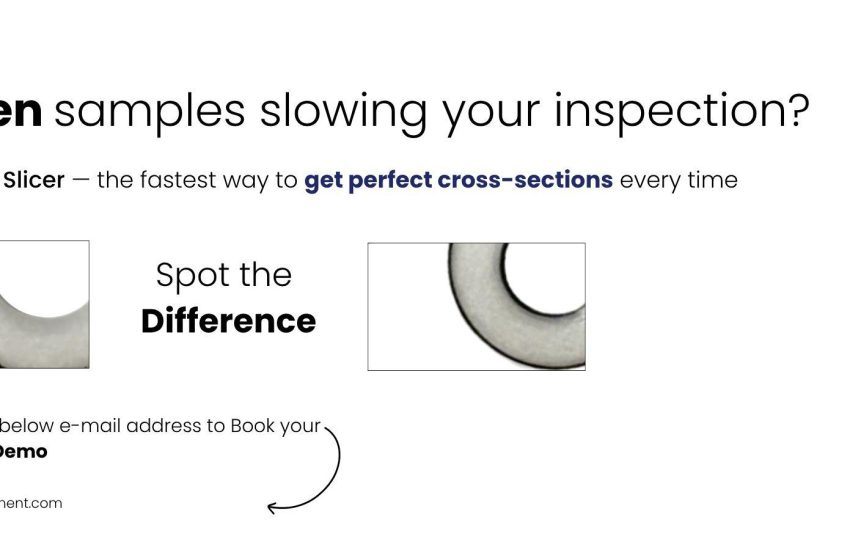
Manual cutting with blades often leads to uneven thickness and non-parallel surfaces, which can result in incorrect measurements. Improper cutting without a cable slicer introduces variations such as uneven pressure, inconsistent angles, and wavy edges, affecting the accuracy of insulation thickness measurement. This can result in incorrect product specifications, reduced cable reliability, and compromised overall quality.
Benefits of Slicing Machines
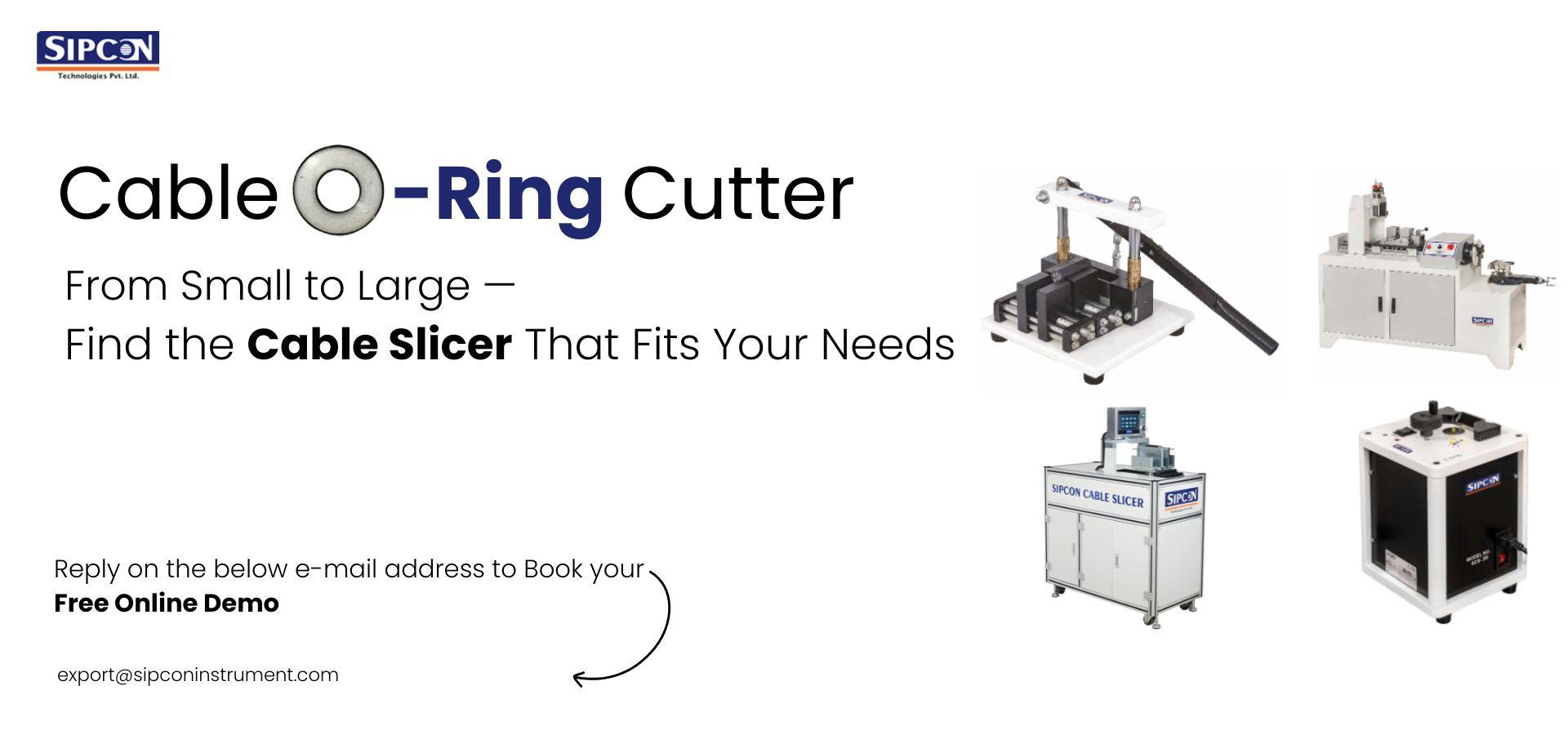
To overcome these challenges, it is recommended to use a slicing machine for cutting cable slices. Using a cable slicer provides uniform and parallel sections, ensuring accurate and consistent measurements in any cable or wire insulation thickness measurement system. It produces uniform slices with consistent thickness, reducing variability and improving measurement reliability.
Conclusion
In conclusion, proper cable slicing is essential in the insulation thickness measurement process. Manual cutting with blades may seem convenient, but it often leads to inaccurate results due to variations in thickness and non-parallel surfaces. Using a cable slicer ensures uniform and parallel sections, which are critical for accurate results in a cable insulation thickness measurement system or wire insulation thickness measurement system. This approach helps ensure cables meet industry standards and supports reliable research and development outcomes.

FAQs
Q1. What is a cable insulation thickness measurement system?
A cable insulation thickness measurement system is used to check whether the insulation layer on cables meets required standards. It helps manufacturers maintain consistent insulation thickness, which is critical for cable performance, safety, and durability.
Q2. How is a wire insulation thickness measurement system different from cable measurement?
A wire insulation thickness measurement system is designed for smaller diameters and finer conductors, while cable systems are used for larger and multi-layered products. Both systems ensure accurate thickness measurement, but they are applied based on product size and structure.
Q3. Why is a cable slicer important for insulation thickness measurement?
A cable slicer is essential because it creates clean, uniform, and parallel slices of the cable. Proper slicing ensures accurate results in both cable and wire insulation thickness measurement systems by eliminating errors caused by uneven cuts.
Q4. Can insulation thickness be measured accurately without a cable slicer?
Without a cable slicer, manual cutting often leads to uneven thickness and angled surfaces, which can produce incorrect measurements. Using a slicer improves consistency and reliability in any insulation thickness measurement process.
Q5. Which industries use cable insulation thickness measurement systems?
Cable insulation thickness measurement systems and wire insulation thickness measurement systems are widely used in power cable manufacturing, automotive wiring, telecom cables, and R&D laboratories to meet quality and safety standards.