Coordinate Measuring Machine (CMM): How Optical CMM Improves Precision Measurement
Modern manufacturing is moving at a breakneck pace, and that means the old ways of checking parts just aren’t cutting it anymore for high-stakes quality control. To keep production errors low and maintain the kind of quality standards that clients expect, factories now have to rely on sophisticated dimensional inspection tools that don’t blink.
The coordinate measuring machine (CMM) has long been the gold-standard tool for this job, giving engineers a way to verify every curve and angle of a part. The optical CMM system has emerged as a revolutionary measurement tool because it uses non-contact technology to achieve faster operations while maintaining precise measurement accuracy.
What is a Coordinate Measuring Machine (CMM)?
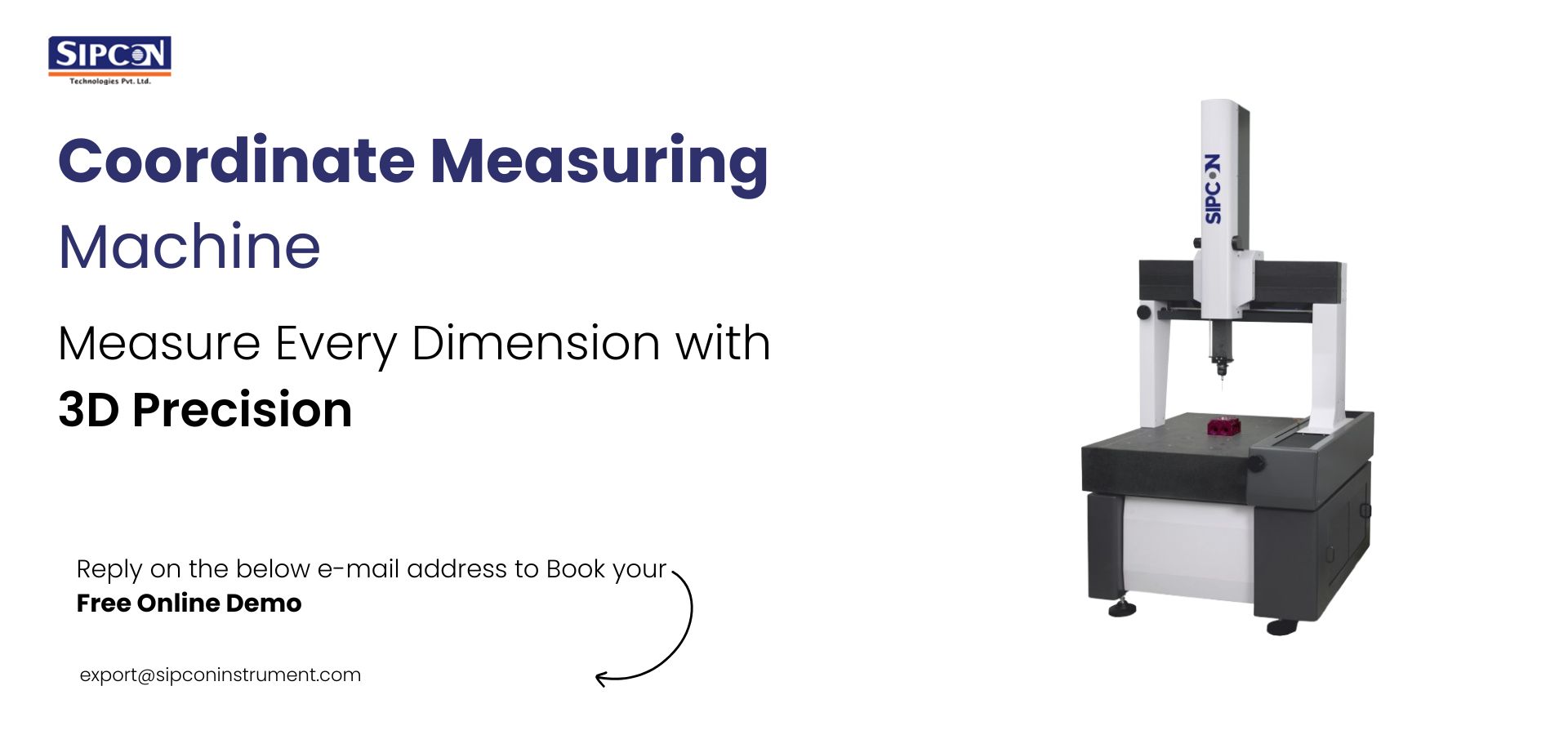
A coordinate measuring machine functions as a highly accurate digital ruler, which enables users to create precise three-dimensional models of any physical object. The measurement tools perform essential functions which enable technicians to obtain 3D coordinates and dimensions of physical objects through precise measurement of total length, hole diameters, and complex angles.
The way it works is fairly simple. It uses a sensitive probe or sensor to tap or scan points across the surface of a physical component. Once those points are collected, the software builds a complete map of the dimensional data so you can see if the part matches your original design.
You will usually find a CMM machine sitting in a temperature-controlled quality lab or in the factories to catch mistakes before parts are shipped out. Having a reliable precision measurement system on-site means your work meets the strict requirements of your customers.
What is an Optical CMM?
An optical CMM is a newer, faster type of measurement system that uses high-end cameras and light sensors instead of a physical needle to “touch” the part. It provides non-contact measurement technology, which is a lifesaver when you are dealing with parts that might bend or break under pressure.
Its key features include:
- The high-resolution camera demonstrates its ability to capture extremely tiny details that the human eye cannot perceive, offering superior clarity.
- Quick image processing software that can crunch the numbers on a complex part in just a fraction of the time a manual probe would take.
- Automated measurement capability that makes the precision measurement system perfect for high-volume jobs.
- High precision inspection ability that allows engineers to use it when they have to precisely inspect very delicate or microscopic components.
This optical coordinate measuring machine is ideal for checking hundreds of small and delicate parts without slowing down the line.
Traditional CMM vs Optical CMM
| Feature | Traditional CMM | Optical CMM |
| Measurement Type | Physical touch probe | Light-based non-contact |
| Inspection Speed | Steady and methodical | Blazing fast scans |
| Automation Level | Requires some manual help | Almost entirely hands-off |
| Accuracy Levels | Very dependable | Extremely high-def |
| Best Used for | Large, heavy castings | Tiny, intricate assemblies |
While a standard coordinate measuring machine is great for heavy-duty metal parts, it is slow and needs to physically travel to every point. The optical CMM is much faster and does not have to physically move back and forth. By making the switch, manufacturers find that they can drastically improve their inspection efficiency and reduce measurement errors.
Industries Using Coordinate Measuring Machines
- Automotive sector: An optical CMM ensures safety and precision in every critical part to meet the exact specs required. It is used to check engine blocks, transmission parts, and gear systems.
- Aerospace: A precision measurement system checks turbine blades, wings, and other structural parts. It helps in keeping up with strict aviation quality standards with its high-level precision in checking aircraft components.
- Electronics: The technology is used here to inspect printed circuit boards, small components, and connectors that cannot be accessed through physical contact methods.
- Medical: A coordinate measuring machine verifies that medical equipment, surgical tools, and implants are made to the exact dimensions needed for life-saving surgeries.
- Precision engineering: The tools are used to inspect molds and dies while making sure that all industrial parts and small mechanical components produced from the manufacturing process are precise duplicates.
Benefits of Optical CMM in Industrial Measurement
Non-contact measurement technology: The testing process uses this method because it does not make contact with your part, which prevents any possibility of scratching or warping delicate surfaces.
Faster inspection: The camera system speeds up the entire inspection process because it captures data at a faster rate.
High repeated accuracy: The machine will give you the same perfect result every time.
Reduced human error: With precise measurement, the chances of human errors are reduced, preventing a batch of bad parts.
The implementation of this precision measurement system will improve efficiency while maintaining quality standards.
Choosing the Right Coordinate Measuring Machine
The selection of the proper coordinate measuring machine depends on the specific components that need measurement because huge engine parts require different measurement systems than tiny plastic gears or sensors.
If your work involves micro-features or very soft materials, you should probably look at a high-resolution optical CMM.
The production volume requires non-contact system operation because its speed prevents the creation of a substantial operational backlog. The automated systems operate at high capacity while requiring minimal human monitoring.
Overall, industries that need both speed and microscopic detail find them ideal for their long-term goals.
Conclusion
A coordinate measuring machine is still one of the most important tools a factory can own to get the dimensions exactly right every time. As manufacturing gets more complex, moving to optical CMM technology gives businesses a massive advantage by being faster, safer on parts, and incredibly precise. Whether you are building cars, planes, or medical tools, having these systems in place is the only way to stay competitive and keep your quality at a world-class level.
Mail – export@sipconinstrument.com