Cutting Tool Inspection Systems in Saudi Arabia: The Secret to Flawless Manufacturing
Saudi Arabia is having one of the more ambitious industrial transformations now. From mega factories in Yanbu and Jubail to aerospace clusters near Riyadh, precision manufacturing is in the center of economic diversification in the Kingdom. World-class output demands world-class quality control, which begins with the cutting tool.
Be it drill bit, milling cutter, or lathe insert – an unmeasured/worn tool destroys product quality, wastes raw materials, and costs machine downtime. Thus, leading companies in Saudi Arabia are utilizing advanced cutting tools assessment systems.
What Is a Cutting Tools Measurement System?
A cutting tools measurement system is a precision metrology solution used to measure the geometry, dimensions, and wear condition of cutting tools before and after use. It captures data on:
- Tool diameter, length, and runout
- Cutting-edge radius and angle
- Flank wear and crater wear levels
- Tool overhang and concentricity
- Surface finish of cutting edges
These systems feed data directly to CNC machines, reducing setup errors and ensuring consistent part quality across high-volume production runs.
The Role of a Measurement Machine for Cutting Tools
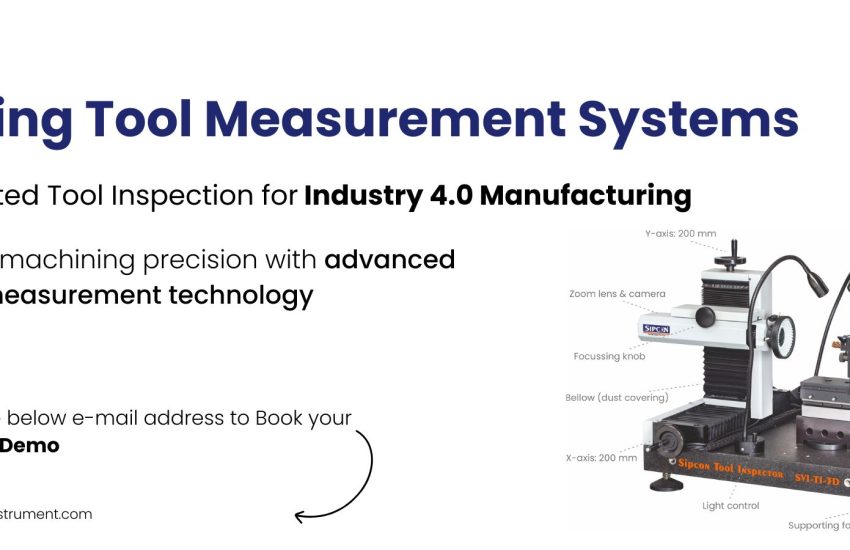
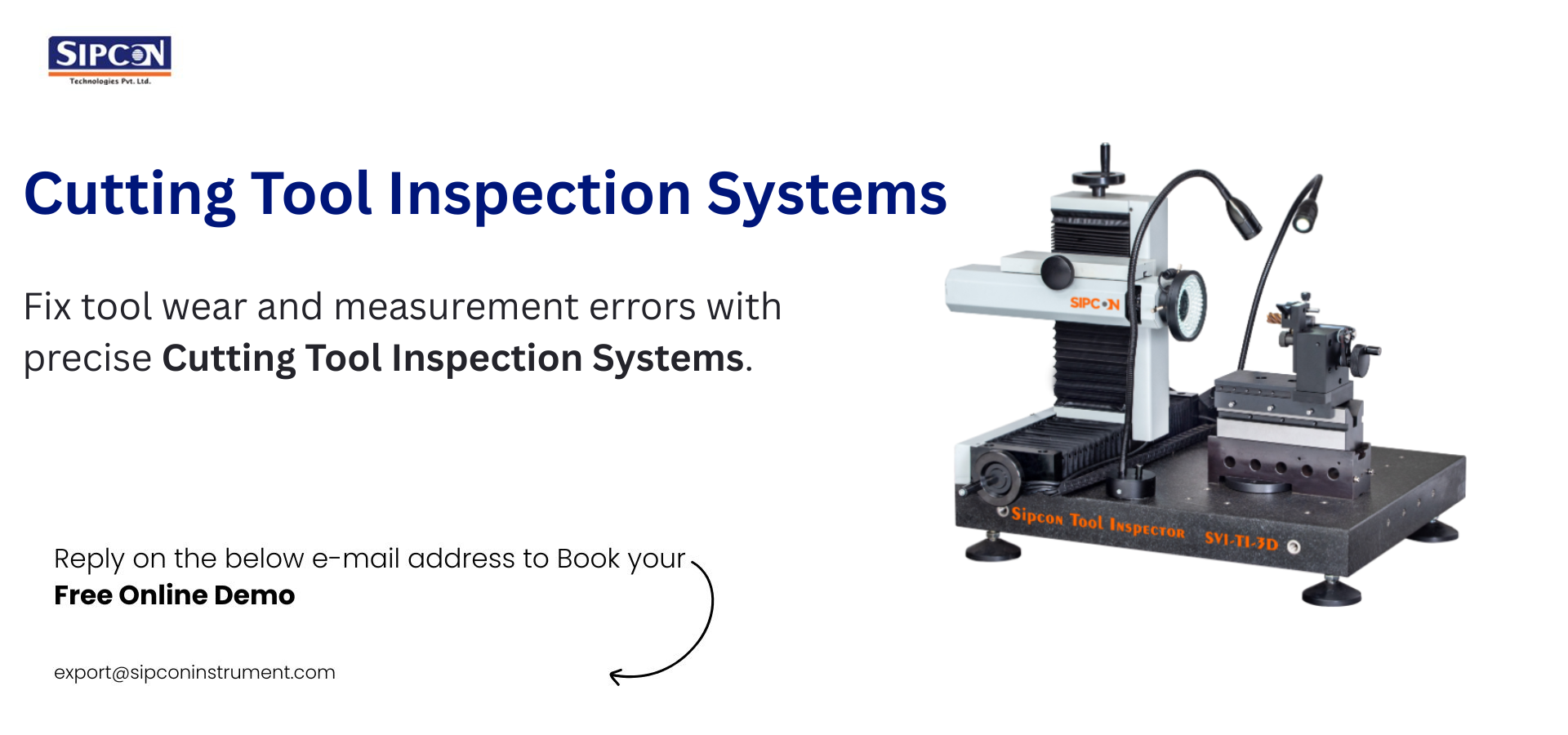
A measurement machine for cutting tools, often called a tool presetter or tool measuring machine, is a standalone benchtop or maybe floor-standing unit. It utilizes optical sensors, cameras, or maybe contact probes to browse a cutting tool and also create a precise 3d measurement report in seconds.
In Saudi manufacturing plants running 24/7 operations, automated measurement machines for cutting tool systems enable lights-out inspection without halting production.
Common Problems Caused by Poor Tool Measurement
When cutting tools are not measured properly, manufacturers often face several avoidable production issues. Even a small error in tool dimensions can create large problems during machining.
Some of the most common issues include:
- Inconsistent product dimensions
- Poor surface finish on machined parts
- Increased tool breakage
- Excessive machine downtime
- High scrap and rework costs
- Reduced tool life
- Delays in production schedules
For factories in Saudi Arabia that work with high-value industries such as aerospace, oil and gas, and automotive manufacturing, these problems can quickly become expensive. That is why reliable cutting tool inspection is becoming an important part of everyday production.
Industries in Saudi Arabia That Benefit Most
Many industries across Saudi Arabia are now using cutting tool measurement systems to improve quality and productivity.
Some of the major sectors include:
- Aerospace manufacturing for turbine blades, engine components, and structural parts
- Automotive production for precision-machined metal parts
- Oil and gas equipment manufacturing for valves, pumps, and drilling tools
- Medical device production where tight tolerances are essential
- Mold and die manufacturing for accurate cavity and surface finishing
- General CNC machining workshops handling high-volume production jobs
As Saudi Arabia continues to expand its industrial base, the demand for accurate and reliable cutting tool inspection systems is expected to grow rapidly.
Comparing Common Cutting Tool Inspection Technologies
|
Technology |
Accuracy | Best For |
Saudi Industry Fit |
|
Optical Tool Presetter |
±1–2 µm | Drills, mills, inserts | CNC machining centers |
| Laser Tool Measuring | ±0.5 µm | Delicate coated tools |
Aerospace & defense |
|
Vision Measurement System |
±2–5 µm | Complex geometries | Automotive & mold making |
| CMM-Based Inspection | ±0.3 µm | High-precision tools |
Oil & gas components |
| In-Machine Probing | ±3–5 µm | In-process verification |
Mass production lines |
How a Cutting Tools Inspection System Works
A Cutting tools inspection system combines hardware and software to deliver a complete quality control workflow. Here is the step-by-step process used in modern Saudi factories:
- Step 1 – Tool Loading: The cutting tool is loaded onto a spindle or V-block mounting fixture for orientation
- Step 2 – Automatic Recognition: The sensors recognize the tool type and switch on the appropriate measuring program
- Step 3 – Geometrical Measurement: Measurements such as length, diameter, angles, radii, and cutting edges are taken
- Step 4 – Analysis of Data: The software analyzes the measurements based on CAD or blueprint data tolerances
- Step 5 – Pass/Fail Determination: The results are recorded, and an offset data file is generated for the CNC control
- Step 6 – Pattern Development: Patterns are established in order to determine tool life and scheduling replacement
Why Saudi Arabia Is Adopting These Systems Fast
Saudi Arabia’s National Industrial Development & Logistics Program (NIDLP) is pushing factories toward smart manufacturing. A major part of that shift is adopting Industry 4.0-ready inspection systems. Here is why adoption is accelerating:
- Growing demand for aerospace-grade parts from Saudi defense programs
- SABIC and Aramco supply chain requirements for certified dimensional accuracy
- Reduction in imported rework and scrap — a direct cost-saving measure
- Localization mandates requiring domestic quality compliance documentation
- Availability of trained metrology engineers through TVTC programs
Benefits at a Glance
|
Benefit |
Without Inspection System | With Inspection System |
|
Tool setup time |
20–40 minutes | 2–5 minutes |
| First-part rejection rate | 5–15% |
<1% |
|
Tool life utilization |
60–70% | 90–100% |
| CNC downtime | High |
Minimal |
| Traceability & records | Manual / paper |
Digital / automatic |
Selection of the Correct Measurement System for Your Manufacturing Facility
Correct selection of the cutting tool measurement system for a manufacturing facility located in Saudi Arabia:
- Tool size range:- Which range of tool diameters is covered (0.1 mm to 300 mm)?
- Machine tool compatibility:- Does it have capability of exporting DNC/RS-232/Ethernet offsets to your machine tool?
- Language of software: Whether the software can work in the Arabic language?
- After-sale service:- Locally available after-sale services in Riyadh, Jeddah, or Dammam.
- Calibration:- Calibration certificates according to ISO 17025 will be recognized by relevant authorities in Saudi Arabia.
The Future of Saudi Manufacturing Starts with Better Tool Inspection
For Saudi manufacturers operating worldwide, precision starts before the cut. Investment in a modern cutting tool measurement machine, robust cutting tools, and a fully integrated cutting tool inspection system are not an option anymore. That’s the basis of repeatable, internationally certified manufacturing.
Saudi Arabia is building an industrial future today; the factories that use cutting tool measurement machines today will be the ones that lead tomorrow.
Upgrade Your Cutting Tool Inspection System Today
A good cutting tool inspection system can help reduce setup time, improve machining accuracy, and avoid expensive production mistakes. Even a small issue in tool size or alignment can affect the final product and increase downtime. That’s why many manufacturers in Saudi Arabia are now using better tool inspection and measurement systems. If you are planning to upgrade your setup, our team can help you find the right solution for your factory.
Phone:+91 9215699661
Email: export@sipconinstrument.com
Website: https://www.sipconinstrument.com/contact.php
Take the next step toward faster setups, longer tool life, and flawless manufacturing performance.