
How Carbon Black Dispersion Testers Enhance Durability in Polymer Products
In polymer manufacturing, quality matters a lot because even a small issue inside the material can create big problems later. Many products like plastic pipes, cable insulation, automotive parts and industrial packaging are expected to last for years. But if the raw material is not mixed properly, the durability of the product can go down very quickly.
One thing that manufacturers pay close attention to is carbon black dispersion. Carbon black is added in polymers to improve strength, UV resistance, and overall product life. But simply adding carbon black is not enough. It needs to spread properly inside the material. If dispersion is uneven, some areas become weak and that can affect performance after long-term use.
This is where a carbon black dispersion tester becomes important. It helps manufacturers check the quality of dispersion and detect issues like contamination, voids or particle clustering before products go into the market.
Nowadays industries in countries like Australia are becoming more strict about polymer quality and testing standards. Because of this, many manufacturers are using advanced carbon black testing equipment and microscope systems for better quality control. Companies like Sipcon are also helping industries with modern testing solutions that make inspection faster and more accurate.
Why Carbon Black Dispersion Matters in Polymer Manufacturing
Carbon black is a very fine black powder that is commonly added into plastic and rubber materials. It improves several important properties of polymers and makes products more durable for long-term use.
Some major benefits of carbon black include:
- Better UV resistance
- Improved strength
- Higher weather resistance
- Better thermal stability
- Longer product life
- Improved conductivity in some applications
But adding carbon black alone is not enough. The particles must spread evenly inside the polymer. If they remain clustered in some areas, the product quality gets affected badly.
This is why manufacturers perform proper carbon black dispersion analysis during production.
What is a Carbon Black Dispersion Tester?
A carbon black dispersion tester is a testing system used to check how well carbon black particles are distributed inside polymer materials.
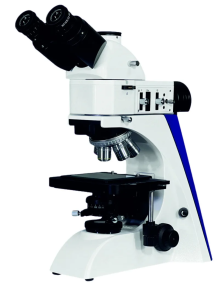
In simple words, the machine helps manufacturers see whether the material is mixed properly or not.
The testing process usually includes:
- Preparing a thin polymer sample
- Observing the sample under microscope
- Checking particle distribution
- Finding contamination or voids
- Generating analysis report
Modern systems are much more advanced now. They use digital imaging and software analysis to provide highly accurate results.
Many industries now prefer automated carbon black testing equipment because manual inspection sometimes gives inconsistent results.
Why Carbon Black Dispersion Matters in Polymer Products
The overall performance of polymer products depends a lot on dispersion quality. Even small defects inside the structure can create future problems.
Here’s how poor dispersion can affect products:
|
Dispersion Problem |
Effect on Polymer Products |
|
Carbon black clusters |
Lower mechanical strength |
|
Voids inside material |
Cracks and failure |
| Uneven UV protection |
Faster aging under sunlight |
| Poor particle distribution |
Weak stress handling |
| Contamination |
Reduced product reliability |
This becomes even more important in countries like Australia, where products are exposed to strong sunlight and changing weather conditions for long periods.
Proper carbon black dispersion analysis helps manufacturers avoid these issues before products reach customers.
Role of Carbon Black and Void Contamination Microscopes
A Carbon black and void contamination microscope plays a very important role during testing. It helps technicians closely examine the internal structure of polymer samples.
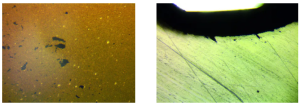
Using these microscopes, manufacturers can identify:
- Carbon black agglomerates
- Air bubbles or voids
- Dust contamination
- Foreign particles
- Uneven particle distribution
Modern microscopes now come with digital cameras and analysis software which makes testing faster and more reliable.
Earlier, operators had to inspect samples manually for long hours. But now automated systems can generate reports quickly with better accuracy.
Companies like Sipcon are offering advanced microscope-based testing systems that support industrial quality control in polymer manufacturing.
How Carbon Black Dispersion Testers Improve Product Durability
1. Helps Prevent Early Product Failure
Poor dispersion creates weak spots inside polymer materials. Over time, these weak areas can develop cracks under pressure or environmental stress.
With the help of a carbon black dispersion analyzer, manufacturers can identify these problems during production itself.
This reduces chances of:
- Product failure
- Customer complaints
- Material rejection
- Maintenance issues
In industries like piping and cable manufacturing, this testing becomes extremely important.
2. Improves UV Resistance
One of the main jobs of carbon black is protecting polymers from UV radiation. But if dispersion is uneven, some areas remain unprotected.
A proper carbon black dispersion test ensures that UV protection stays consistent throughout the material.
This is especially useful for outdoor products used in Australia, where UV exposure is naturally very high.
Products with better dispersion usually survive longer under sunlight and harsh weather conditions.
3. Enhances Mechanical Strength
When carbon black particles spread properly inside the polymer matrix, the overall structure becomes stronger.
Good dispersion helps improve:
- Tensile strength
- Impact resistance
- Durability
- Flexibility
- Wear resistance
That’s why manufacturers invest in advanced carbon black testing equipment to maintain consistent product quality.
4. Reduces Manufacturing Defects
Sometimes issues happen during mixing or processing stages. Improper temperature control, poor mixing, or contamination can reduce product quality.
A carbon black dispersion analyzer helps manufacturers detect these problems quickly.
This allows production teams to:
- Adjust machine settings
- Improve mixing quality
- Reduce wastage
- Maintain batch consistency
In large-scale manufacturing, even small improvements can save huge production costs.
5. Supports International Quality Standards
Many industries follow strict quality standards for polymer products. Testing has become necessary for meeting global market requirements.
Modern carbon black dispersion testers support testing standards like:
- ISO standards
- ASTM testing methods
- Polymer quality certifications
Manufacturers exporting products to countries like Australia often need reliable testing data before approval.
Industries That Use Carbon Black Dispersion Analysis
Pipe Manufacturing
HDPE and PE pipes use carbon black for UV protection and long service life. Poor dispersion may reduce pipe durability and cause failures.
Cable and Wire Industry
Cable insulation materials require proper carbon black distribution for better electrical performance and environmental protection.
Features of Modern Carbon Black Dispersion Analyzers
Today’s testing systems are much more advanced compared to older manual methods.
Some common features include:
Automated Image Analysis: The system automatically checks:
- Particle size
- Distribution quality
- Void percentage
- Contamination levels
Faster Testing Process: Automation reduces testing time and improves consistency.
Digital Reporting: Modern systems generate detailed reports with images and analysis data.
High Precision: Advanced optics and software improve accuracy during testing.
User-Friendly Interface: Most systems are now easier to operate and require less manual effort.
Companies like Sipcon continue developing advanced testing solutions that make polymer quality testing more efficient and reliable.
Choosing the Right Carbon Black Testing Equipment
Selecting the right carbon black testing equipment is very important for getting accurate and consistent results.
Before buying a testing system, manufacturers usually check:
- Optical Quality: Better imaging quality gives more reliable inspection results.
- Software Features: Advanced software improves defect detection and reporting.
- Automation Capability: Automated systems reduce human error during testing.
- Industry Compliance: Equipment should support international testing standards.
- Technical Support: Reliable service and calibration support are important for long-term use.

For manufacturers targeting industrial markets in Australia, high-quality testing systems are becoming more important because buyers now expect strict quality standards.
Future of Carbon Black Dispersion Testing
Polymer testing technology is changing very fast. Modern systems are becoming smarter, faster, and more automated.
Some future trends include:-
- AI-based defect detection
- Smart image analysis
- Real-time monitoring
- Cloud-based reporting
- Automated quality control systems
Advanced carbon black dispersion analyzers are now helping manufacturers predict material performance much earlier during production.
This not only improves quality but also reduces wastage and manufacturing costs.
Why Manufacturers Prefer Sipcon
As industries continue improving product quality standards, reliable testing partners are becoming more important.
Companies like Sipcon provide advanced testing solutions designed for accurate polymer analysis and industrial quality control.
Their systems help manufacturers with:-
- Reliable dispersion testing
- Faster inspection process
- Better reporting accuracy
- Improved quality consistency
With industrial demand growing in Australia, many manufacturers are now investing more in advanced polymer testing technologies.
Building Better Customer Trust with Reliable Polymer Testing
Good polymer products are not only made from good raw materials, proper testing also matters a lot. If carbon black is not dispersed properly, it can affect product strength and durability after some time. That’s why many manufacturers now use advanced carbon black dispersion testers to check material quality before final production.
With better carbon black dispersion analysis and modern microscope systems, companies can reduce defects and improve product performance. Industries in Australia are also focusing more on reliable testing standards, and companies like Sipcon are helping manufacturers improve quality control with advanced testing solutions.
FAQs
1) Why is carbon black dispersion testing important in polymer products?
Because if carbon black is not mixed properly inside the material, the product may not perform well for long time. It can lead to cracking, weak strength, or faster damage when exposed to sunlight and outdoor conditions. That’s why manufacturers do proper testing before final production.
2) What happens if carbon black dispersion is poor?
When dispersion is poor, carbon black particles stay gathered in some areas instead of spreading evenly. This creates weak points inside the polymer. Over time, products may start failing, especially in applications like pipes, cables, or outdoor plastic materials.
3) How does a carbon black and void contamination microscope help during testing?
This microscope helps engineers see the internal structure of the polymer sample more clearly. It becomes easier to identify contamination, air voids, or uneven particle distribution which normally cannot be seen by naked eyes.
4) Which industries usually use carbon black testing equipment?
Many industries use it regularly, especially pipe manufacturers, cable companies, automotive industries, and plastic product manufacturers. In markets like Australia, testing has become more important because industries now focus a lot on long-term product quality and durability.